

Choosing the Right Forex Trading Broker: A Comprehensive Guide
When embarking on your Forex trading journey, one of the most critical decisions you’ll make is selecting the right forex trading brokers Global Trading Brokers. The broker you choose can significantly impact your trading experience and, ultimately, your success in the market. This article will delve into essential factors to consider when picking a Forex trading broker, helping you navigate the complex landscape of online trading.
Understanding Forex Trading Brokers
Forex trading brokers are intermediaries that provide traders access to the foreign exchange market. They facilitate currency trading by offering trading platforms, account management options, and various tools to analyze and execute trades. With thousands of brokers available, understanding their functions and how they operate is vital for any aspiring trader.
Types of Forex Brokers
There are several types of Forex brokers that cater to different trading styles and preferences. Understanding these can help you find the right fit for your trading needs:
- Market Makers: These brokers create their own market for traders, providing liquidity and allowing clients to buy and sell currencies at pre-defined prices.
- ECN Brokers: Electronic Communication Network brokers connect traders directly with other market participants, offering tighter spreads and greater transparency.
- STP Brokers: Straight Through Processing brokers route orders directly to liquidity providers, minimizing the intervention by the broker.
Regulation and Security
One of the most crucial aspects of selecting a Forex broker is ensuring they are regulated by a reputable authority. Regulatory bodies like the U.S. Securities and Exchange Commission (SEC), the Financial Conduct Authority (FCA) in the UK, and the Australian Securities and Investments Commission (ASIC) oversee broker operations, ensuring they adhere to strict standards of conduct and protecting traders’ funds.
Always verify a broker’s regulatory status before opening an account. Look for clear information about their regulatory licenses displayed on their website. Choosing a regulated broker adds a layer of security and peace of mind.
Trading Platforms
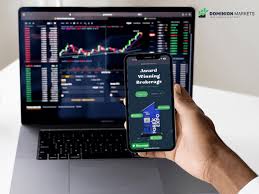
The trading platform provided by a broker is another critical factor to consider. A good trading platform should be user-friendly, efficient, and offer various features, such as advanced charting tools, technical analysis, and access to real-time market data. Popular platforms like MetaTrader 4 (MT4) and MetaTrader 5 (MT5) have become industry standards due to their comprehensive features and responsiveness.
Test the broker’s trading platform through demo accounts, where you can practice trading without risking real money. This experience will help you understand the platform’s functionalities and determine if it meets your trading requirements.
Spreads and Fees
When trading Forex, it’s essential to understand the costs associated with executing trades. Brokers typically earn money through spreads (the difference between the bid and ask prices) and commissions. Compare the spreads and commissions of various brokers to find the most cost-effective option for your trading style.
Some brokers offer fixed spreads, while others have variable spreads that can widen during market volatility. Be mindful of any hidden fees, such as deposit and withdrawal fees, that may affect your overall trading costs.
Leverage and Margin
Leverage allows traders to control larger positions with a relatively small amount of capital. While it can amplify profits, it also increases the risk of substantial losses. Different brokers offer varying leverage ratios, and constructing a strategy that aligns with your risk tolerance is essential.
Ensure that you fully understand margin requirements and how they can impact your position. Excessive leverage can lead to margin calls and forced liquidation of positions, so always trade within your means.
Customer Support
Efficient customer support can significantly enhance your trading experience. Choose a broker that offers multiple communication channels, such as live chat, email, and phone support, to ensure you can quickly resolve any issues. Test the responsiveness and professionalism of customer service by reaching out with inquiries before committing to a broker.
Withdrawal and Deposit Options
Flexible deposit and withdrawal options are critical for smooth trading operations. Look for brokers that offer a variety of funding methods, including bank transfers, credit cards, and e-wallets. Understanding the withdrawal process and any potential delays is also crucial, as some brokers may impose holding periods on withdrawals.
Always read the terms and conditions associated with withdrawals to avoid unexpected fees and delays.
Trading Tools and Resources
Many brokers provide valuable trading tools and resources that can aid your trading strategy. Look for features like educational materials, webinars, market analysis, and economic calendars. These tools can deepen your understanding of the Forex market and assist you in making informed trading decisions.
Review and Research
Before making a final decision, conduct thorough research about potential brokers. Reading reviews and testimonials from other traders can provide insights into a broker’s reputation and reliability. Online forums and discussion boards can be helpful for gathering user experiences and feedback.
Conclusion
Choosing the right Forex trading broker is a significant step in your trading journey. By considering factors like regulation, trading platforms, spreads and fees, customer support, and available tools, you can make a well-informed decision that aligns with your trading goals. Take the time to do your research and assess your options, and you’ll be better positioned to thrive in the dynamic world of Forex trading.