

The Thrill of Risk and Reward
The allure of casinos often stems from the psychological interplay of risk and reward. Gamblers frequently find themselves captivated by the excitement that accompanies the possibility of winning significant prizes from a relatively small investment. This thrill is deeply rooted in our instincts—humans are naturally drawn to risk-taking behaviors, which are often tied to evolutionary advantages. In a casino setting, the perception of risk is amplified by the vibrant atmosphere, enticing sounds, and visually stimulating designs that create a sensory experience designed to captivate and hold attention, especially when trying out payid online pokies that offer unique gameplay mechanics.
The excitement generated by the potential for a big win can lead to the phenomenon known as “chasing losses.” When players do not achieve the expected outcome after placing bets, the urge to continue gambling intensifies in hopes of recovering lost money. This can create a vicious cycle where the need for instant gratification overshadows rational decision-making. The brain releases dopamine during gambling, which can condition players to seek that rush repeatedly, leading to compulsive gambling behaviors in some individuals.
Moreover, the unpredictability of gambling outcomes plays a crucial role in drawing people in. The ‘near-miss’ effect, where a player comes close to winning but falls short, can ironically encourage further play. These near-wins can increase excitement, leading individuals to believe they are on the verge of a breakthrough, thus perpetuating continued gambling activity. By understanding these psychological elements, we can better comprehend the motivations behind the actions of many casino gamblers.
The Role of Environment and Design
The physical environment of a casino is meticulously designed to promote gambling behavior. From the moment individuals step inside, they are enveloped in a world constructed to stimulate and retain interest. Bright lights, engaging sounds, and the absence of clocks create a sense of timelessness that often encourages patrons to lose track of time and money. Each element, from the arrangement of games to the use of color and sound, is curated to create a welcoming but ultimately hypnotic atmosphere that can trigger impulsive decisions.
The layout of a casino is also significant in affecting gambling behavior. Games are often strategically placed to draw players into high-traffic areas, increasing exposure to various games and betting opportunities. Additionally, the presence of free drinks or complimentary perks can lower inhibitions, enabling gamblers to spend more freely than they might otherwise. This method of enhancing the gambling experience reflects a blend of psychology and marketing that effectively keeps players engaged for extended periods.
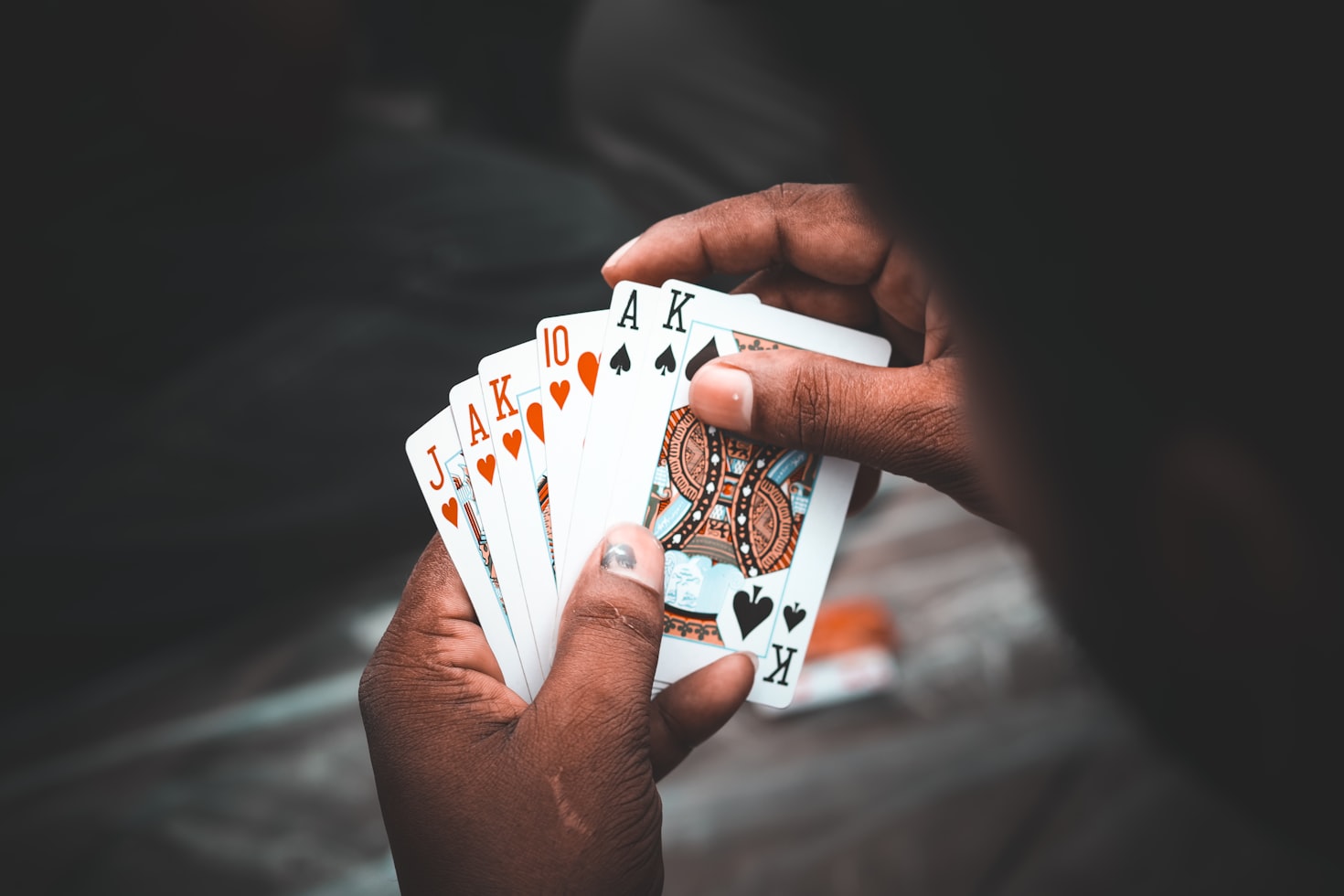
Furthermore, the social aspects of gambling cannot be overlooked. Group dynamics in casino settings foster a sense of community and belonging, with players often sharing the highs and lows of their gaming experiences. This social interaction can be both positive and negative; while it encourages camaraderie among players, it can also contribute to the normalization of gambling behaviors, making it more appealing and acceptable within certain social circles. The interplay between environment, design, and social dynamics forms a framework that significantly influences the psychology of casino gamblers.
Cognitive Biases in Gambling
Cognitive biases are prevalent in gambling, influencing players’ perceptions and decisions. One of the most common biases is the illusion of control, where gamblers believe they can influence the outcome of games that are purely based on chance. For instance, players might feel that they can affect the result of a roulette spin or a dice roll through their choices or strategies. This overestimation of control can lead players to engage in riskier behavior, often resulting in greater losses.
Another notable cognitive bias is the gambler’s fallacy, which leads individuals to assume that past events will influence future outcomes. For example, if a slot machine hasn’t paid out for an extended time, a gambler might irrationally believe that it’s “due” for a win soon. This misinterpretation of randomness can cause players to ignore statistical probabilities in favor of flawed reasoning, perpetuating gambling habits that can lead to financial distress.
The impact of these cognitive biases extends beyond individual players, as they can also affect gambling operations and marketing strategies. Understanding how these biases operate allows casinos to design games and promotions that capitalize on players’ misconceptions, potentially driving more revenue. As a result, awareness of cognitive biases is crucial for both gamblers and casino operators to navigate the psychological landscape of gambling more effectively.
The Emotional Aspects of Gambling
The emotional journey that gamblers embark upon is another vital component of their psychology. Many enter casinos seeking an escape from reality, with the games offering a temporary reprieve from their daily lives. This emotional aspect is often amplified during high-stakes games, where the adrenaline rush can lead to feelings of euphoria or despair, depending on the outcome. The emotional rollercoaster can be addictive, with players returning to experience those highs repeatedly.

Additionally, gambling can serve as a coping mechanism for individuals facing stress, anxiety, or depression. The distraction provided by the gaming experience can momentarily alleviate negative emotions, making it an appealing option for some. However, this reliance on gambling for emotional relief can lead to detrimental outcomes, as it may exacerbate existing issues or create new financial and personal problems when not managed appropriately.
Moreover, casinos often utilize emotions in their marketing strategies, tapping into feelings of excitement and anticipation to attract players. Advertisements will often depict winners in celebratory moments, reinforcing the idea that gambling can lead to life-changing experiences. This emotional manipulation plays a significant role in shaping perceptions of gambling as a positive endeavor, overshadowing the potential negative consequences that can arise from excessive play.
Understanding Gamblers and Responsible Gaming
As the awareness of gambling psychology grows, the importance of responsible gaming practices is becoming increasingly clear. Understanding the psychological factors that drive gambling behavior is essential for both players and casinos. Many organizations advocate for responsible gaming, promoting strategies aimed at minimizing risks and ensuring a safer gambling environment. This includes self-exclusion programs, limits on betting amounts, and educational resources that inform players about the odds and risks associated with gambling.
Furthermore, effective communication between gamblers and casino operators can foster a healthier gaming culture. Casinos can promote responsible gaming initiatives by engaging with patrons through awareness campaigns, signage, and trained staff members who can identify potential problem gambling behaviors. Such initiatives aim to create a more sustainable gambling environment that prioritizes the well-being of players over profits.
Ultimately, understanding the psychology behind gambling offers insights into how individuals interact with games of chance. By recognizing the emotional, cognitive, and environmental influences on gambling behavior, stakeholders can develop strategies and resources that support responsible gaming. This multifaceted approach is essential for creating a more balanced relationship between gamblers and the world of casinos.